
Every year, the first hard frost brings a rush of burst pipes, boiler breakdowns and blocked gutters. Most of these emergencies are not caused by bad luck. They happen because small problems were left unchecked until cold weather exposed them. A few hours of preparation in autumn can prevent expensive repairs and keep your home warm and safe through the coldest months. Use this guide as a simple checklist.
Why winter causes most home emergencies
Cold weather puts every part of a home under stress. Water in pipes can freeze and expand, heating systems work harder and for longer, rain and wind test roofs and drains and darker evenings increase the demand on electrical circuits. If something does fail despite your best efforts, an emergency plumbing and boiler service such as TPA Emergency Repairs can help, but it is far better, and cheaper, to avoid the call-out in the first place.
The most damaging winter problems are usually frozen and burst pipes, boiler failures, roof and gutter leaks and electrical faults. Each of these can be reduced with simple precautions.
Pipes, tanks and outside taps
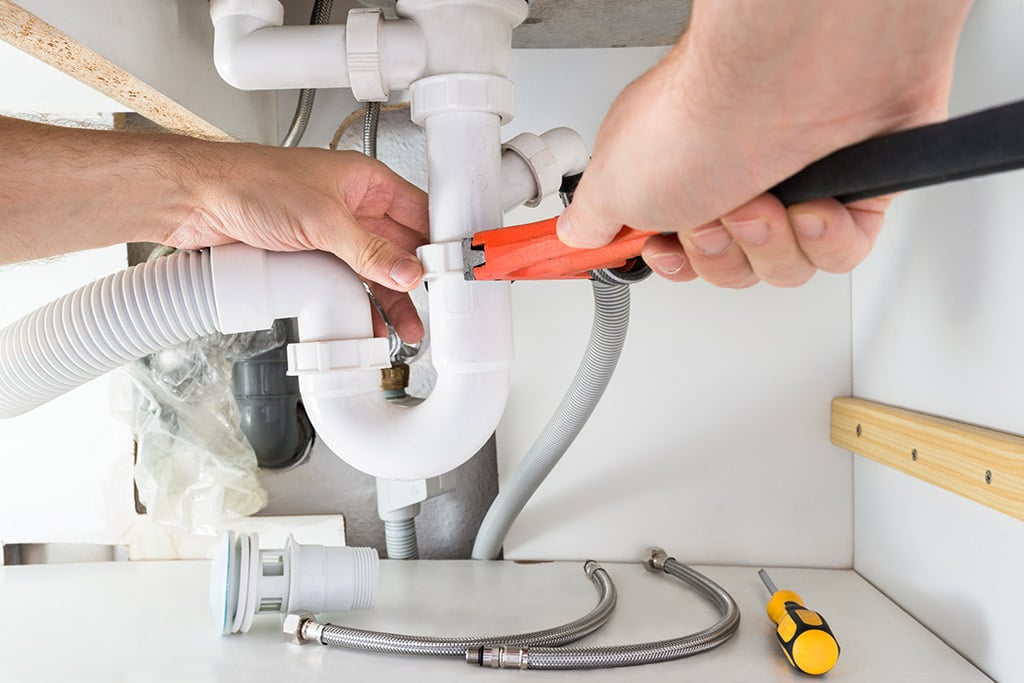
Frozen pipes are one of the most common causes of winter flooding. Water expands as it freezes, which can split a pipe, and the leak often only shows up when the ice melts.
- Insulate exposed pipes in lofts, garages, basements and outbuildings with foam lagging. Pay special attention to pipes close to outside walls.
- Lag your cold water tank in the loft and keep the lid on, but leave the area directly under the tank uninsulated so that some warmth from the house can rise.
- Protect outside taps. Turn off the supply to garden taps and drain them, then fit an insulating cover.
- Fix dripping taps and leaks, as even a small trickle can freeze.
- Know where your stopcock is and check that it turns freely.
If a pipe freezes, turn off the water at the stopcock and thaw it slowly with a hairdryer on a low setting or a hot water bottle, working from the tap end towards the frozen section. Never use a naked flame.
Boiler and heating checks
A boiler breakdown in a cold snap is stressful, particularly for older or vulnerable people. Give your heating a check-up before you need it.
- Book an annual service with a Gas Safe registered engineer. Servicing helps to spot faults early and keeps the boiler running efficiently.
- Check the pressure. If your boiler has a pressure gauge, make sure it is in the range given in the manual, usually between 1 and 2 bar when cold.
- Bleed radiators if they have cold spots at the top, which signals trapped air.
- Run the heating for a short time in early autumn to find problems while it is still mild.
- Test your carbon monoxide alarm and replace the batteries if needed.
If you go away in winter, leave the heating on at a low setting, such as 10 to 15 degrees Celsius, to protect pipes from freezing.
Roof, gutters and drainage
Heavy rain and falling leaves can turn into leaks and damp if gutters are blocked or the roof is damaged.
- Clear leaves and debris from gutters and downpipes.
- Look for slipped, cracked or missing roof tiles from the ground, using binoculars if needed. Do not climb onto the roof yourself.
- Check flashing around chimneys and roof windows.
- Clear gullies and drains around the house, so that rainwater can escape.
- Look for damp patches on ceilings after heavy rain, which can signal a roof leak.
Hiring a professional to carry out roof and gutter checks is safer than working at height.
Electrics and lighting
Darker evenings mean more lighting, and cold weather brings extra heaters and appliances into use. That adds strain to your electrical system.
- Avoid overloading sockets and extension leads.
- Check cables on heaters and appliances for fraying or damage.
- Test smoke alarms and replace old batteries.
- Make sure outdoor lighting and sockets are suitable for wet conditions.
- If you notice flickering lights, tripping circuits or warm sockets, ask a qualified electrician to investigate.
If you do not have a recent electrical inspection report, consider arranging one, particularly in an older home.
A simple pre-winter checklist
Here is a short list to work through in October or November:
- Service the boiler and test the carbon monoxide alarm.
- Lag exposed pipes and the loft tank.
- Drain and cover outside taps.
- Clear gutters, gullies and drains.
- Check the roof for damage from the ground.
- Bleed radiators and check boiler pressure.
- Test smoke alarms.
- Locate the stopcock and consumer unit and tell everyone where they are.
- Keep emergency numbers and your insurance details somewhere easy to find.
Stock a small emergency kit as well, with a torch, spare batteries, blankets, a first aid kit and a battery-powered phone charger.
If something still goes wrong
Even well-prepared homes can have problems. If a pipe bursts, turn off the water at the stopcock, switch off electrics near the water if it is safe, contain the water and call a plumber. If you smell gas, leave the property and ring the National Gas Emergency Service on 0800 111 999, and see the HSE’s advice for homeowners. For a heating failure, check the simple things first, such as power, gas supply, pressure and thermostat settings, and then contact a Gas Safe registered engineer.
Winter does not need to mean worry. A short weekend of checks, some cheap insulation and a boiler service can head off the most common emergencies. Prepare now, and you can enjoy the colder months in a warm, dry and safe home.